 ?>
?>
 By
By Why Accurate Financial Reporting Matters for UK Businesses
Running a business successfully requires more than generating sales. Business owners need to understand where their money is coming from, where it is going, whether the business is profitable, and what financial challenges may be ahead.
This is where financial reports become extremely valuable.
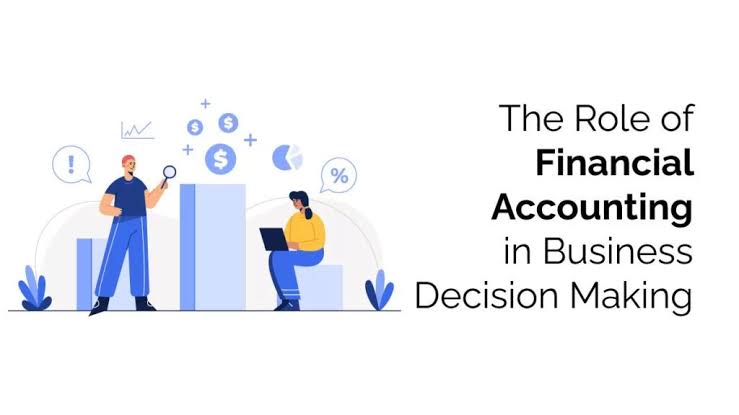
Financial reports transform your accounting records into useful information that can help you make informed decisions about pricing, expenses, hiring, investment, cash flow and business growth.
For many small businesses, financial reporting is treated as something that is only necessary for tax returns or year-end accounts. In reality, regular financial reports can become one of the most powerful decision-making tools available to a business owner.
At TT Accountancy Services (TTAS), we help businesses across London and the UK understand their financial performance and use accurate accounting information to make better commercial decisions.
What Are Financial Reports?
Financial reports are documents that summarise the financial performance and position of your business.
Common financial reports include:
- Profit and Loss Statement
- Balance Sheet
- Cash Flow Statement
- Aged Debtors Report
- Aged Creditors Report
- Management Accounts
- Budget vs Actual Reports
- Sales Reports
- Expense Reports
Each report provides a different perspective on your business.
1. Profit and Loss Reports Show Whether Your Business Is Making Money
The Profit and Loss (P&L) statement is one of the most important financial reports for any business.
It typically shows:
- Revenue
- Cost of sales
- Gross profit
- Operating expenses
- Operating profit
- Other income and expenses
- Net profit or loss
For example, your business may generate £250,000 in annual sales but only produce £25,000 in net profit.
Looking only at revenue could give you the impression that the business is performing extremely well.
The P&L tells a different story.
How It Helps You Make Decisions
A P&L can help you determine whether you should:
- Increase prices
- Reduce unnecessary expenses
- Renegotiate supplier contracts
- Change your product mix
- Increase marketing investment
- Review staffing costs
2. Cash Flow Reports Help You Avoid Cash Shortages
A profitable business can still experience cash flow problems.
Why?
Because profit and cash are not necessarily the same thing.
You may have £50,000 of outstanding customer invoices recorded as revenue but still not have received the money.
A cash flow report helps you understand:
- Cash coming into the business
- Cash leaving the business
- Expected future payments
- Available cash
- Potential cash shortages
This can help you plan ahead instead of reacting to financial problems after they occur.
3. Balance Sheets Show Your Financial Position
A balance sheet provides a snapshot of your business’s financial position at a particular date.
It generally includes:
Assets
What the business owns or controls.
Liabilities
What the business owes.
Equity
The owner’s or shareholders’ interest in the business.
The balance sheet can help you understand whether your business is financially stable and how much debt or other liabilities it carries.
4. Financial Reports Help You Control Expenses
Expenses can gradually increase without business owners noticing.
For example:
- Software subscriptions
- Office costs
- Advertising
- Professional fees
- Insurance
- Travel
- Payroll
- Supplier costs
A monthly expense report can reveal where your money is going.
You may discover that several small expenses are collectively having a significant impact on profitability.
5. Financial Reports Help With Pricing Decisions
Pricing your products or services without understanding your costs can be dangerous.
Financial reporting helps you determine:
- Cost of delivering your service
- Gross profit margin
- Operating costs
- Net profit margin
- Break-even point
This information can help you decide whether your current pricing is sustainable.
6. Financial Reports Help You Measure Business Performance
Business owners need measurable indicators of performance.
Financial reports allow you to compare:
- This month vs last month
- This quarter vs previous quarter
- This year vs previous year
- Actual performance vs budget
- Different products or services
- Different branches or departments
For example, if revenue increased by 20% but profit only increased by 3%, your financial reports can help you investigate why.
7. Financial Reports Support Better Budgeting
A budget is essentially a financial plan.
But creating a useful budget requires reliable historical information.
Your previous financial reports can help you estimate:
- Expected sales
- Payroll costs
- Operating expenses
- Tax liabilities
- Capital expenditure
- Cash requirements
This makes your budget more realistic.
8. Financial Reports Help You Decide When to Hire
Hiring an employee is a major financial commitment.
Before recruiting, you need to consider:
- Salary
- Employer National Insurance
- Pension contributions
- Recruitment costs
- Training
- Equipment
- Other employment-related costs
Your financial reports can help determine whether the business can sustainably afford another employee.
9. Financial Reports Help With Business Expansion
Planning to open another location, purchase equipment or launch a new service?
Financial information can help you evaluate whether the expansion makes financial sense.
You can analyse:
- Current profitability
- Available cash
- Existing liabilities
- Expected investment
- Forecast revenue
- Expected additional costs
This helps turn expansion decisions into informed financial decisions rather than guesses.
10. Financial Reports Can Help When Applying for Finance
Banks and other lenders may request financial information when assessing a business finance application.
Depending on the circumstances, they may want to see:
- Annual accounts
- Profit and Loss statements
- Balance sheets
- Cash flow forecasts
- Management accounts
- Bank statements
Accurate and professionally prepared financial reports can make it easier to demonstrate the financial position and performance of your business.
What Are Management Accounts?
Management accounts are financial reports prepared specifically to help business owners and managers understand current performance.
Unlike statutory accounts, management accounts can be produced monthly or quarterly.
They can include:
- Profit and Loss
- Balance Sheet
- Cash Flow
- Key Performance Indicators
- Budget comparisons
- Sales analysis
- Expense analysis
For growing businesses, monthly management accounts can provide much more timely information than waiting until the end of the financial year.
How Often Should You Review Financial Reports?
The right frequency depends on your business.
Monthly
Suitable for many growing SMEs.
Quarterly
May be sufficient for smaller businesses with relatively straightforward finances.
Weekly
High-volume or cash-sensitive businesses may benefit from more frequent reporting.
The important principle is:
The faster your business changes, the more frequently you should monitor its financial performance.
Common Mistakes Businesses Make With Financial Reports
❌ Looking only at revenue
High sales don’t necessarily mean high profits.
❌ Ignoring cash flow
Profitability doesn’t guarantee that you have enough cash to pay your bills.
❌ Reviewing reports only once a year
Annual information may be too late to identify emerging problems.
❌ Not comparing actual results with budgets
Budget variance analysis can reveal important trends.
❌ Using inaccurate bookkeeping data
Financial reports are only as reliable as the accounting records behind them.
How TT Accountancy Services Can Help
At TT Accountancy Services, we help UK businesses turn their accounting data into useful financial information.
Our services can include:
- Management Accounts
- Profit & Loss Reports
- Balance Sheets
- Cash Flow Forecasting
- Budgeting
- Bookkeeping
- Bank Reconciliation
- Financial Reporting
- Tax Planning
- Business Advisory
- Annual Accounts
Our goal isn’t simply to record your transactions.
We help you understand what the numbers mean and how they can support better business decisions.
Financial reports are much more than documents prepared for accountants, banks or tax authorities.
When prepared accurately and reviewed regularly, they can help business owners answer important questions:
Are we profitable?
Where are we spending too much?
Can we afford to hire?
Should we increase our prices?
Do we have enough cash to expand?
Are we on track to achieve our targets?
The answers to these questions can make the difference between reacting to problems and managing your business proactively.
Want Better Visibility Over Your Business Finances?
TT Accountancy Services provides accounting, bookkeeping, management accounts, tax and business advisory services for businesses across London and the UK.
Contact TTAS to discuss how regular financial reporting can help you make better business decisions.