 ?>

 By
Hollywood icon John Goodman has captured public admiration not only for his incredible acting repertoire in classics like The Big Lebowski and Roseanne, but also for his breathtaking physical transformation. By shedding over 200 pounds through steady discipline, intentional choices, and a long-term commitment to health, Goodman demonstrated a fundamental truth: lasting success requires cutting out bloat, establishing consistent routines, and rejecting quick-fix gimmicks.
For small business owners, finance managers, and bookkeepers navigating the complexities of UK accounting, HMRC tax compliance, and payroll management, there is a surprisingly powerful lesson in Goodman’s journey. Over time, many businesses accumulate their own form of ‘financial bloat’—redundant software subscriptions, inefficient manual bookkeeping processes, overpaid taxes, and disorganized payroll records that expose the firm to costly HMRC penalties. In this post, we explore how to apply the ‘John Goodman Strategy’ to your business finance: trimming operational waste, optimizing payroll tax structures, and building a lean, sustainable accounting framework.
1. Identifying Financial Bloat: Is Your Business Carrying Unnecessary Weight?
Financial bloat rarely happens overnight. Just as personal health declines subtly over years of small unhelpful decisions, business inefficiency creeps in through minor oversights. An unexamined general ledger, unoptimized supplier contracts, and outdated manual payroll systems quietly drain cash flow and reduce profitability.
Common symptoms of business financial bloat include:
- Redundant Software and Subscriptions: Paying for multiple overlapping software platforms for invoicing, time-tracking, and bookkeeping without utilizing their full integrations.
- Manual Data Entry Overhead: Spending dozens of staff hours manually transferring figures from receipts to spreadsheets, leading to errors and inflated labor costs.
- Unclaimed Expenses and Allowances: Missing out on legitimate tax-deductible expenses, capital allowances, or allowable business travel reimbursements.
- Payroll Inefficiencies: Running payroll manually or using outdated tools that struggle with HMRC Real Time Information (RTI) submissions, resulting in administrative lag and late submission fees.
By conducting a comprehensive financial audit, you can pinpoint exactly where cash is leaking from your operation and take targeted action to plug those holes.
2. Streamlining Payroll: The Core Engine of Business Health
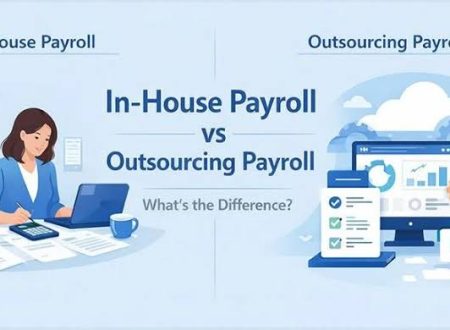
Payroll is frequently one of the largest recurring operational expenses for any UK business. It is also an area where errors carry immediate financial and regulatory consequences. Misclassifying workers, mishandling Statutory Sick Pay (SSP) or Statutory Maternity Pay (SMP), or missing Pay As You Earn (PAYE) deadlines can trigger automated HMRC penalties and damage employee trust.
Transitioning to Automated RTI Payroll Systems
To achieve a lean payroll operation, modern cloud accounting software is mandatory. HMRC’s Real Time Information (RTI) regime mandates that employers submit Full Payment Submissions (FPS) on or before every payday. Manual filings increase the likelihood of missing deadlines or calculating National Insurance Contributions (NICs) incorrectly.
Automated cloud payroll software streamlines this by:
- Automatically calculating Class 1 National Insurance, PAYE tax bands, and pension contributions under Workplace Pension Auto-Enrolment rules.
- Submitting FPS and Employer Payment Summary (EPS) reports directly to HMRC with a single click.
- Generating digital payslips for employees via self-service portals, eliminating printing and manual distribution costs.
- Integrating directly with your main bookkeeping software (e.g., Xero, QuickBooks, or Sage) to reconcile wages instantly.
3. Optimizing Tax Planning and HMRC Compliance
John Goodman’s transformation required a customized plan crafted with expert guidance rather than a generic fad diet. Similarly, effective business tax strategy is not about taking shortcuts or risking aggressive tax avoidance schemes; it is about smartly utilizing legitimate HMRC allowances and reliefs to minimize tax liability legally.
Maximizing the Employment Allowance
Eligible small businesses and charities can claim the UK Employment Allowance, which allows eligible employers to reduce their annual Class 1 National Insurance liabilities by up to £5,000. Many small enterprises miss out on this simply because their payroll software was not properly configured to claim it during the tax year setup.
Capital Allowances and Expense Optimization
Ensure your bookkeeper or accountant is maximizing Capital Allowances for business asset purchases, such as plant, machinery, vehicles, and IT hardware. Utilizing the Full Expensing scheme or the Annual Investment Allowance (AIA) allows businesses to deduct 100% of the cost of qualifying capital purchases from their taxable profits in the year of purchase, drastically reducing Corporation Tax bills.
R&D Tax Relief and Innovation Incentives
If your firm is spending money developing new software, improving manufacturing processes, or solving complex technical challenges, you may qualify for Research and Development (R&D) tax relief. Recent changes by HMRC have reformed R&D rules, making precise bookkeeping and detailed project documentation more critical than ever to avoid claim rejections or audits.
4. Making Tax Digital (MTD): Building Long-Term Discipline
Goodman’s success stems from changing his daily lifestyle rather than going on a brief diet. In UK tax administration, HMRC’s Making Tax Digital (MTD) initiative is designed to enforce this exact kind of continuous, digital discipline.
MTD for VAT already requires VAT-registered businesses to maintain digital records and submit returns using MTD-compatible software. The upcoming expansion—MTD for Income Tax Self Assessment (ITSA)—will soon require sole traders and landlords with gross income over specific thresholds to submit quarterly digital updates to HMRC instead of a single annual tax return.
How to Prepare Your Bookkeeping for Digital Tax Compliance
To stay ahead of HMRC mandates and keep your business financially fit, adopt the following best practices:
- Eliminate Paper Receipts: Use digital capture tools like Dext or Hubdoc to snap photos of receipts on the go. These tools extract line-item data and push it directly into your bookkeeping software.
- Weekly Bank Reconciliations: Don’t leave bank reconciliation until the end of the month or quarter. Reconciling bank feeds weekly ensures real-time visibility over cash flow and prevents backlogs.
- Separate Personal and Business Finances: Sole traders often blend personal and business bank accounts, creating administrative confusion and higher accountancy fees at year-end. Maintain strict separation.
- Work with a Qualified Accountant: Partnering with a chartered accountant or certified bookkeeper provides strategic oversight, ensuring you stay compliant with shifting HMRC regulations while identifying tax-saving opportunities.
Conclusion: Start Your Financial Transformation Today
Just as John Goodman’s dramatic evolution proves that significant change is possible through focus and structure, your business can eliminate waste, reduce stress, and achieve robust financial health. By replacing manual administrative burden with automated cloud payroll, staying disciplined with HMRC digital filing rules, and rigorously reviewing operational expenses, you can create a resilient, tax-efficient enterprise prepared for long-term growth.
Are you ready to slim down your overhead and streamline your payroll tax compliance? Contact our expert bookkeeping and accountancy team today for a tailored financial health check.