 ?>
?>
 By
By Introduction
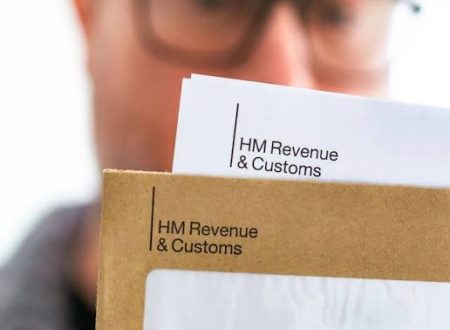
Every year, tens of thousands of UK taxpayers receive what HMRC calls a ‘nudge letter’ — an official communication that stops short of a formal investigation but strongly implies that HMRC believes something may be wrong with your tax returns.
If one has arrived in your post — or increasingly, in your HMRC online account — it is understandable to feel alarmed. But understanding what these letters are, why they are sent, and how to respond correctly can make the difference between a straightforward resolution and an expensive, prolonged enquiry.
What Is a Nudge Letter?
HMRC nudge letters — officially called ‘One to Many’ communications — are sent simultaneously to large groups of taxpayers who share a common characteristic that HMRC’s data systems have flagged as potentially indicating underpayment of tax.
Unlike a formal Section 9A enquiry notice (which opens an official investigation into your tax return), a nudge letter is not an opening of a formal investigation. It is HMRC using behavioural psychology to encourage voluntary compliance — essentially giving you the opportunity to review and correct your affairs before HMRC escalates to a formal check.
The tone is typically measured and non-accusatory — but the message is unmistakable: we have data suggesting your tax position may be incorrect. Please review it.
Why Has HMRC Sent This to You?
HMRC now has access to an enormous range of third-party data sources, which it uses to cross-reference against information taxpayers have reported. When a discrepancy is identified — even a potential one — a nudge letter may be triggered. Common reasons include:
- Rental income: HMRC receives data from letting agents, deposit protection schemes, and increasingly from property portals, and cross-references it against rental income declared on Self Assessment returns
- Overseas income or assets: information received through the Common Reporting Standard (CRS) from overseas financial institutions about accounts, dividends, and assets held abroad
- Capital gains: HMRC receives data from conveyancers, investment platforms, and share registrars about disposals that may not appear on a taxpayer’s return
- Dividend income: Companies House data and shareholder registers are cross-referenced against dividend income declarations
- Cryptocurrency: HMRC has obtained data from major UK-facing cryptocurrency exchanges and is actively pursuing crypto investors who have not declared gains or income
- Online selling: data from platforms such as eBay, Amazon, Etsy, and Airbnb is now shared with HMRC under digital platform reporting rules
What Types of Nudge Letters Are There?
HMRC runs many specific nudge letter campaigns. You may have received a letter referencing one of the following:
- The Let Property Campaign: for landlords with undisclosed rental income
- The Worldwide Disclosure Facility: for taxpayers with unreported offshore income or assets
- The Certificate of Tax Position: asking you to confirm that your offshore affairs are in order
- Crypto asset nudge letters: targeting individuals identified as having cryptocurrency holdings
- Income not shown on your return: a general letter triggered by third-party data suggesting income was received but not declared
The specific type of letter matters, because HMRC’s formal disclosure facilities — and the penalty mitigation available through them — vary depending on the nature of the non-compliance.
What You Should Not Do
- Do not ignore the letter — HMRC can and will escalate to a formal enquiry if no response or voluntary disclosure is made
- Do not respond hastily without first reviewing your tax affairs thoroughly — an incomplete or inaccurate response can make matters worse
- Do not assume the letter means HMRC has definitive evidence of a specific underpayment — it may be based on incomplete or incorrect data
- Do not contact HMRC directly before speaking to an accountant — anything you say or disclose can affect your position
What You Should Do
Step 1: Do Not Panic — But Do Act Promptly
A nudge letter is an opportunity, not a conviction. Taxpayers who respond constructively and make voluntary disclosures before HMRC opens a formal enquiry consistently receive lower penalties than those who are caught after an investigation begins.
Step 2: Review the Relevant Tax Years
Identify the tax years HMRC is referencing and gather the relevant records. The letter will usually indicate the area of concern — rental income, offshore assets, capital gains, etc. Pull together all records related to that area for the years in question.
Step 3: Assess Whether Your Returns Were Correct
With your accountant’s help, assess whether your returns for the relevant years accurately reflect your tax position. It is entirely possible that your returns were correct and that HMRC’s data is incomplete or relates to a different taxpayer. If that is the case, you will need to respond clearly and provide supporting evidence.
Step 4: Make a Disclosure If Required
If you identify that there was an underpayment, HMRC’s formal disclosure facilities allow you to come forward voluntarily, declare the amount owed, pay the tax plus interest, and accept a reduced penalty. Using the appropriate disclosure route — for example, the Let Property Campaign for rental income, or the Worldwide Disclosure Facility for offshore matters — typically results in significantly lower penalties than those applied after a formal investigation.
Step 5: Respond in Writing
Once you have a clear picture of your position, respond to HMRC in writing — either confirming that your returns were correct and explaining why, or notifying HMRC that you intend to make a disclosure. Keep copies of all correspondence.
Penalty Reductions for Voluntary Disclosure
HMRC’s penalty regime rewards voluntary disclosure. For domestic underpayments, penalties for prompted disclosures (made after a nudge letter but before a formal enquiry opens) are typically 15–30% of the unpaid tax. For unprompted disclosures (made before HMRC makes contact), penalties can be as low as 0–10%. By contrast, penalties following a full HMRC investigation can reach 30–100% of unpaid tax — and in cases of deliberate concealment, higher still.
Conclusion
A nudge letter from HMRC should be taken seriously — but it is not the end of the world. It is an invitation to review your affairs and, where necessary, correct them in a controlled and penalty-minimised way. The worst thing you can do is ignore it. The best thing you can do is act promptly, with the right professional support. If you have received a nudge letter and are unsure how to respond, contact our team. We can review your position, advise on the appropriate disclosure route, and manage all communications with HMRC on your behalf.