 ?>
?>
 By
By A Complete Guide for Innovative Businesses
For many UK tech startups, innovation is the key to growth. Whether you’re developing software, building AI-powered solutions, creating fintech platforms, or advancing cybersecurity technology, your business could be eligible for valuable Research and Development (R&D) Tax Credits.
Yet thousands of eligible businesses fail to claim each year, leaving significant tax relief unclaimed.
At TT Accountancy Services (TTAS), we help startups and technology companies understand HMRC’s R&D tax relief schemes and maximise legitimate claims. In this guide, we’ll explain how R&D Tax Credits work in 2026, who qualifies, and how your startup can make a successful claim.
What Are R&D Tax Credits?
R&D Tax Credits are government incentives designed to encourage innovation and technological advancement in the UK.
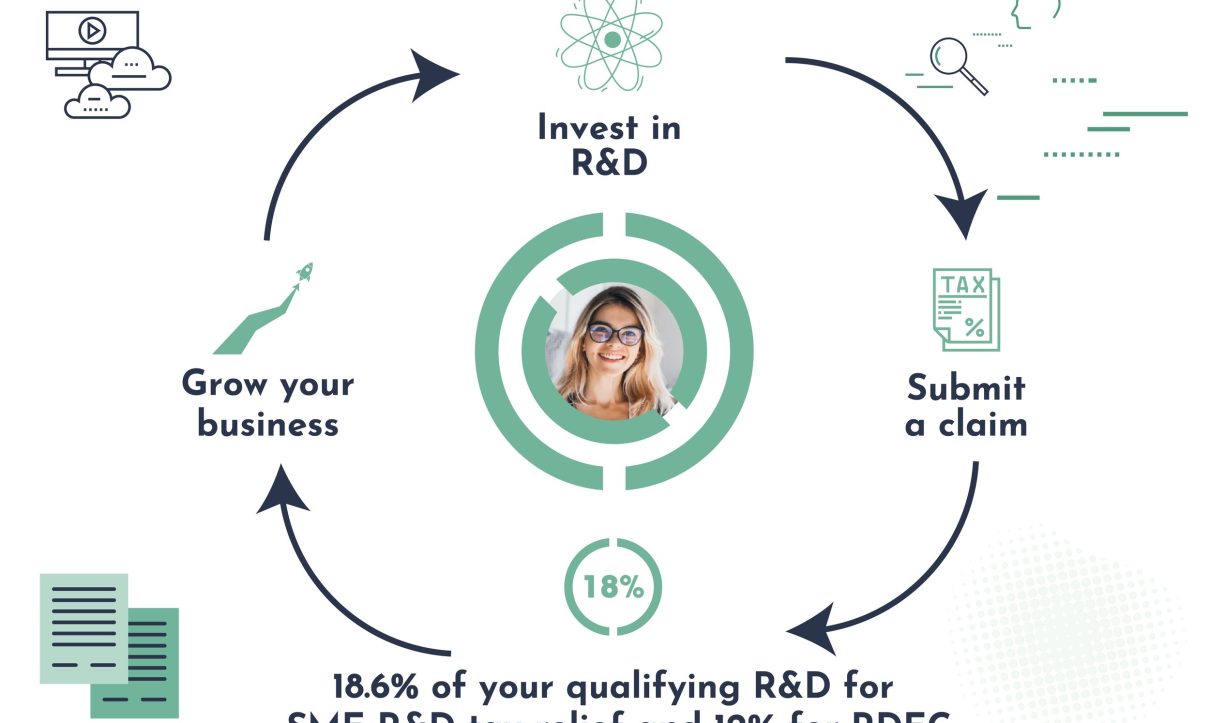
The scheme allows eligible businesses to recover a portion of their research and development expenditure through:
- Corporation Tax reductions
- Payable tax credits
- Enhanced tax deductions
The objective is to support businesses investing in innovation, product development, software creation, and technological improvements.
Why R&D Tax Credits Matter for Tech Startups
Early-stage technology companies often invest heavily in development before generating significant revenue.
R&D Tax Credits can help by:
- Improving cash flow
- Reducing Corporation Tax liabilities
- Funding future development projects
- Extending startup runway
- Supporting hiring and growth
For many startups, a successful claim can provide thousands of pounds in additional funding.
What Changed for R&D Tax Relief in 2026?
Following reforms introduced by HMRC, the UK now operates a revised R&D relief framework designed to reduce abuse while supporting genuine innovation.
In 2026, startups should be aware that:
- Claims receive increased scrutiny
- Additional documentation is required
- Technical explanations must be more detailed
- Claim submissions must include supporting evidence
- Digital claim processes continue to evolve
Businesses must ensure claims are accurate and properly documented.
Does Your Startup Qualify?
Many business owners wrongly assume R&D only applies to scientific laboratories or large corporations.
In reality, many technology startups qualify.
Your project may be eligible if it seeks to achieve an advance in:
Software Development
- SaaS platforms
- Mobile applications
- Cloud infrastructure
- Machine learning systems
- AI development
Financial Technology (FinTech)
- Payment systems
- Open banking solutions
- Fraud detection technology
Cybersecurity
- Threat detection systems
- Data protection tools
- Encryption technologies
Data Science & Analytics
- Predictive modelling
- Big data processing
- Automation tools
HMRC’s Key Test for R&D
HMRC generally considers a project eligible if it attempts to overcome scientific or technological uncertainty.
Examples include:
✅ Creating new technology
✅ Improving existing technology significantly
✅ Solving complex technical challenges
✅ Developing innovative software solutions
Activities that typically do not qualify include:
❌ Routine software updates
❌ Cosmetic website changes
❌ Standard business processes
❌ Marketing activities
Eligible R&D Costs You Can Claim
A successful claim may include expenditure such as:
Employee Costs
- Salaries
- Employer National Insurance
- Pension contributions
Subcontractor Costs
- Specialist developers
- Technical consultants
Software Costs
- Development tools
- Cloud computing costs
- Testing environments
Consumable Items
- Materials used during development
Data and Cloud Services
Many cloud computing and data-related costs may now qualify under updated rules.
How to Claim R&D Tax Credits in 2026
Step 1: Identify Qualifying Projects
Review development activities undertaken during your accounting period.
Focus on projects involving genuine technological advancement or uncertainty.
Step 2: Gather Financial Records
Compile documentation including:
- Payroll records
- Contractor invoices
- Software subscriptions
- Development expenses
- Project budgets
Step 3: Prepare Technical Documentation
This is one of the most important stages.
You must explain:
- The technological problem
- Why it was challenging
- How your team attempted to solve it
- The advancement achieved
Strong technical narratives significantly improve claim success.
Step 4: Calculate Eligible Expenditure
Accurate cost allocation is essential.
Many startups either underclaim or overclaim because costs are not properly identified.
Professional support can help maximise legitimate relief while maintaining compliance.
Step 5: Submit the Claim to HMRC
Claims are usually submitted through your Company Tax Return (CT600).
Additional information forms and supporting reports may also be required.
Common R&D Tax Credit Mistakes
Many startups lose valuable relief because they:
- Fail to recognise qualifying activities
- Keep inadequate project records
- Submit weak technical explanations
- Include non-qualifying costs
- Miss filing deadlines
Proper planning throughout the year makes claiming easier and more successful.
How Much Could Your Startup Receive?
The amount depends on factors including:
- Total qualifying expenditure
- Company profitability
- Accounting period
- Applicable relief scheme
For many startups, claims can range from a few thousand pounds to six-figure sums.
A professional review can provide a more accurate estimate.
How TT Accountancy Services Can Help
At TT Accountancy Services, we help technology businesses:
- Identify qualifying R&D activities
- Review project documentation
- Calculate eligible expenditure
- Prepare technical reports
- Submit compliant claims
- Respond to HMRC enquiries
Our goal is to help innovative businesses secure the relief they deserve while remaining fully compliant.
Innovation drives growth, and the UK government continues to support businesses investing in research and development.
If your startup develops software, technology products, AI solutions, fintech platforms, or other innovative systems, you may be eligible for valuable R&D Tax Credits in 2026.
The key is ensuring your claim is properly prepared, accurately documented, and fully compliant with HMRC requirements.
TT Accountancy Services can help you identify opportunities, maximise relief, and navigate the claim process with confidence.
Need Help With an R&D Tax Credit Claim?
Contact TT Accountancy Services today to discuss your startup’s eligibility and discover how much relief your business could potentially claim.