
 ?>
?>
 By
By Don’t Panic—Here’s What Every UK Business and Taxpayer Should Do
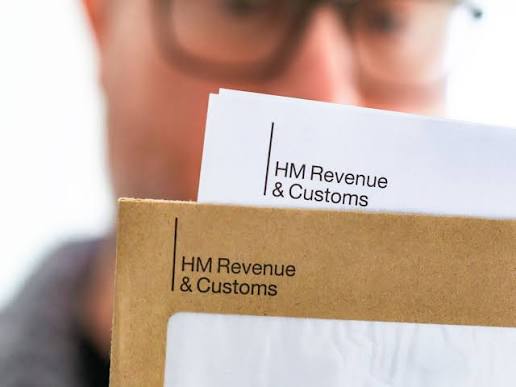
Receiving a letter from HM Revenue & Customs (HMRC) can be worrying, especially if you’re unsure why you’ve been contacted. Whether you’re a sole trader, landlord, limited company director, or small business owner, it’s important to remember that not every HMRC letter means you’ve done something wrong.
Some letters are routine reminders, while others may request additional information, notify you of a tax calculation, or begin a compliance check. The key is to respond promptly and correctly.
At TT Accountancy Services (TTAS), we regularly help clients understand and respond to HMRC correspondence. This guide explains the most common types of HMRC letters, what they mean, and the steps you should take to protect your business.
Why Does HMRC Send Letters?
HMRC may contact you for several reasons, including:
- Reminder of upcoming tax deadlines
- Requests for additional information
- Self Assessment queries
- Corporation Tax matters
- VAT compliance checks
- PAYE or payroll enquiries
- Tax calculation notices
- Penalty notifications
- Compliance reviews or investigations
Many letters are routine and can be resolved quickly with the correct response.
Step 1: Read the Letter Carefully
Your first reaction may be anxiety—but don’t ignore the letter.
Read it carefully and identify:
- The issue being raised
- The tax year involved
- Any action required
- Important deadlines
- Reference numbers
- Contact details provided by HMRC
Understanding exactly what HMRC is requesting is the first step toward resolving the matter.
Step 2: Check Whether the Information Is Correct
Before responding, compare the letter with your own records.
Review documents such as:
- Tax returns
- Payroll records
- VAT returns
- Business accounts
- Bank statements
- Expense records
- Previous HMRC correspondence
Sometimes HMRC letters are generated because information is incomplete or requires clarification.
Step 3: Don’t Ignore Deadlines
One of the biggest mistakes taxpayers make is delaying a response.
Ignoring HMRC letters can lead to:
- Financial penalties
- Interest charges
- Further compliance checks
- Collection action
- Legal proceedings in serious cases
Even if you disagree with the contents of the letter, responding before the stated deadline is essential.
Step 4: Identify the Type of HMRC Letter
Understanding the type of letter helps determine your next steps.
Tax Calculation Notice
HMRC may believe you have underpaid or overpaid tax.
Check the calculations against your own records before accepting the assessment.
Filing Reminder
This usually means a tax return is due soon.
File your return as quickly as possible to avoid late filing penalties.
Penalty Notice
Penalty letters explain why HMRC has charged a fine.
Common reasons include:
- Late Self Assessment filing
- Late VAT returns
- Late Corporation Tax payments
- Payroll reporting delays
Some penalties may be appealable if you have a reasonable excuse.
Compliance Check
A compliance check is not necessarily a full tax investigation.
HMRC may simply require:
- Supporting documents
- Clarification of transactions
- Evidence for claimed expenses
- Additional explanations
Providing complete and accurate information usually helps resolve the matter efficiently.
Step 5: Gather Supporting Documents
If HMRC requests evidence, collect relevant documentation before responding.
Examples include:
- Invoices
- Receipts
- Payroll records
- Bank statements
- Accounting reports
- Contracts
- VAT schedules
Organised records help demonstrate compliance and speed up the process.
Step 6: Seek Professional Advice
Some HMRC letters are straightforward, while others involve technical tax issues.
Professional advice is recommended if the letter relates to:
- Tax investigations
- Large tax assessments
- Corporation Tax disputes
- VAT enquiries
- PAYE compliance
- Business expense challenges
- Penalties you wish to appeal
An experienced accountant can review the letter, explain your options, and communicate with HMRC on your behalf.
Common Mistakes to Avoid
Many taxpayers make matters worse by:
❌ Ignoring HMRC letters
❌ Missing response deadlines
❌ Sending incomplete information
❌ Guessing answers without checking records
❌ Responding emotionally instead of professionally
❌ Failing to keep copies of correspondence
Taking a calm, organised approach often leads to better outcomes.
Can You Appeal an HMRC Decision?
Yes. In many situations, you may have the right to challenge or appeal an HMRC decision.
Examples include:
- Late filing penalties
- Tax assessments
- Interest charges
- Compliance decisions
Appeals usually have strict time limits, so acting promptly is important.
How Good Record-Keeping Helps
Maintaining accurate financial records makes responding to HMRC much easier.
Good bookkeeping allows you to quickly provide:
- Income records
- Expense evidence
- Payroll information
- VAT documentation
- Business transactions
This reduces stress and improves your ability to demonstrate compliance.
How TT Accountancy Services Can Help
At TT Accountancy Services, we support businesses and individuals with all aspects of HMRC compliance.
Our services include:
✔ Reviewing HMRC letters
✔ Responding to HMRC enquiries
✔ Tax investigation support
✔ Self Assessment assistance
✔ Corporation Tax advice
✔ VAT compliance
✔ Payroll and PAYE support
✔ Bookkeeping and record-keeping
✔ Tax planning and advisory
We act on your behalf, helping you respond accurately and confidently.
Tips to Prevent Future HMRC Issues
To reduce the likelihood of receiving compliance-related letters:
- Keep accurate accounting records
- File tax returns on time
- Pay taxes before deadlines
- Reconcile accounts regularly
- Use cloud accounting software
- Work with a qualified accountant
Prevention is always easier—and often less expensive—than resolving tax issues later.
Receiving a letter from HMRC doesn’t automatically mean you’ve made a mistake. Many notices are routine and can be resolved with timely action and accurate information.
The most important thing is not to ignore the letter. Read it carefully, gather the necessary documents, and seek professional advice if you’re unsure how to respond.
At TT Accountancy Services, we help clients deal with HMRC confidently, ensuring compliance while reducing unnecessary stress.
Received a Letter from HMRC?
Don’t face it alone. TT Accountancy Services can review your HMRC correspondence, explain what it means, and help you respond accurately and on time. Contact our team today for expert tax and accounting support.