 ?>
?>
 By
By Introduction
Environmental, Social, and Governance (ESG) reporting has rapidly evolved from a “nice-to-have” into a strategic necessity for organisations across the UK and globally. Investors, regulators, and stakeholders increasingly demand transparency on how businesses impact the environment, manage social responsibilities, and uphold governance standards.
At TTAS, we recognise that accountants are no longer confined to traditional financial reporting—they now play a pivotal role in shaping, validating, and communicating ESG and sustainability performance. This article explores how accountants support ESG reporting and why their expertise is critical to sustainable business success.
What is ESG and Sustainability Reporting?
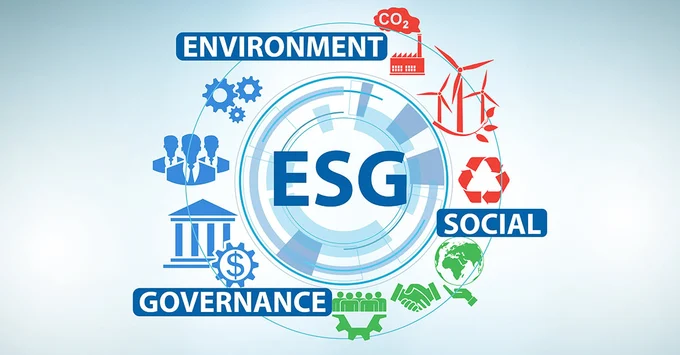
ESG reporting involves the disclosure of non-financial data that measures an organisation’s impact and performance in three key areas:
- Environmental: Carbon emissions, energy use, waste management, climate risk
- Social: Employee welfare, diversity, community engagement
- Governance: Corporate ethics, board structure, compliance, risk management
Sustainability reporting integrates these factors into a broader narrative about long-term value creation and responsible business practices.
Why ESG Reporting Matters for Businesses
Businesses that prioritise ESG reporting benefit from:
- Improved investor confidence and access to capital
- Stronger brand reputation and stakeholder trust
- Better risk management and regulatory compliance
- Enhanced operational efficiency and long-term profitability
With frameworks such as IFRS Sustainability Disclosure Standards and UK regulatory expectations tightening, accurate ESG reporting is no longer optional.
The Expanding Role of Accountants in ESG
1. Data Collection and Measurement
Accountants are essential in establishing robust systems to collect, track, and measure ESG-related data. This includes:
- Carbon accounting and emissions tracking
- Resource usage (energy, water, materials)
- Workforce and diversity metrics
Their expertise ensures that ESG data is quantifiable, consistent, and auditable.
2. Ensuring Accuracy and Reliability
Just like financial statements, ESG reports must be reliable. Accountants apply:
- Internal controls
- Reconciliation processes
- Data validation techniques
This reduces the risk of greenwashing—a major concern for regulators and investors.
3. Aligning ESG with Financial Reporting
One of the most critical roles accountants play is integrating ESG into financial strategy. This includes:
- Linking sustainability initiatives to financial performance
- Assessing climate-related financial risks
- Supporting integrated reporting frameworks
This alignment helps organisations understand the true cost and value of sustainability efforts.
4. Compliance with ESG Frameworks and Standards
Accountants guide businesses in complying with global and local ESG standards, such as:
- IFRS Sustainability Disclosure Standards (ISSB)
- Task Force on Climate-related Financial Disclosures (TCFD)
- Global Reporting Initiative (GRI)
They ensure that reports meet regulatory requirements and are structured in line with best practices.
5. Risk Management and Internal Controls
ESG introduces new categories of risk, including:
- Environmental liabilities
- Social compliance risks
- Governance failures
Accountants design and implement internal control systems to mitigate these risks and ensure accountability across the organisation.
6. Independent Assurance and Audit
As ESG reporting becomes more regulated, independent assurance is increasingly required. Accountants provide:
- ESG audits and verification
- Assurance over sustainability metrics
- Confidence to stakeholders and investors
This enhances the credibility of ESG disclosures.
7. Strategic Advisory and Decision-Making
Beyond compliance, accountants act as strategic advisors by:
- Evaluating sustainability investments
- Supporting carbon reduction strategies
- Advising on ESG-driven cost savings
Their insights help organisations make informed decisions that balance profitability with sustainability.
Challenges in ESG Reporting
Despite its importance, ESG reporting comes with challenges:
- Lack of standardisation across frameworks
- Difficulty in measuring non-financial data
- Integration with existing financial systems
- Evolving regulatory requirements
This is where professional accounting firms like TTAS provide critical expertise and structure.
How TTAS Supports ESG and Sustainability Reporting
At TTAS, we help businesses navigate the complexities of ESG by offering:
- ESG data management and reporting systems
- Compliance with UK and international standards
- Sustainability audits and assurance services
- Strategic financial and ESG advisory
We ensure your organisation is not only compliant but also positioned for long-term sustainable growth.
The role of accountants is undergoing a significant transformation. In the era of ESG and sustainability, they are no longer just financial gatekeepers—they are strategic partners in building transparent, responsible, and future-ready businesses.
By leveraging professional accounting expertise, organisations can confidently meet ESG requirements, enhance stakeholder trust, and create lasting value.
Call to Action
If your organisation is looking to strengthen its ESG reporting and sustainability strategy, TTAS is here to help. Contact us today to ensure your business is compliant, credible, and future-focused.